
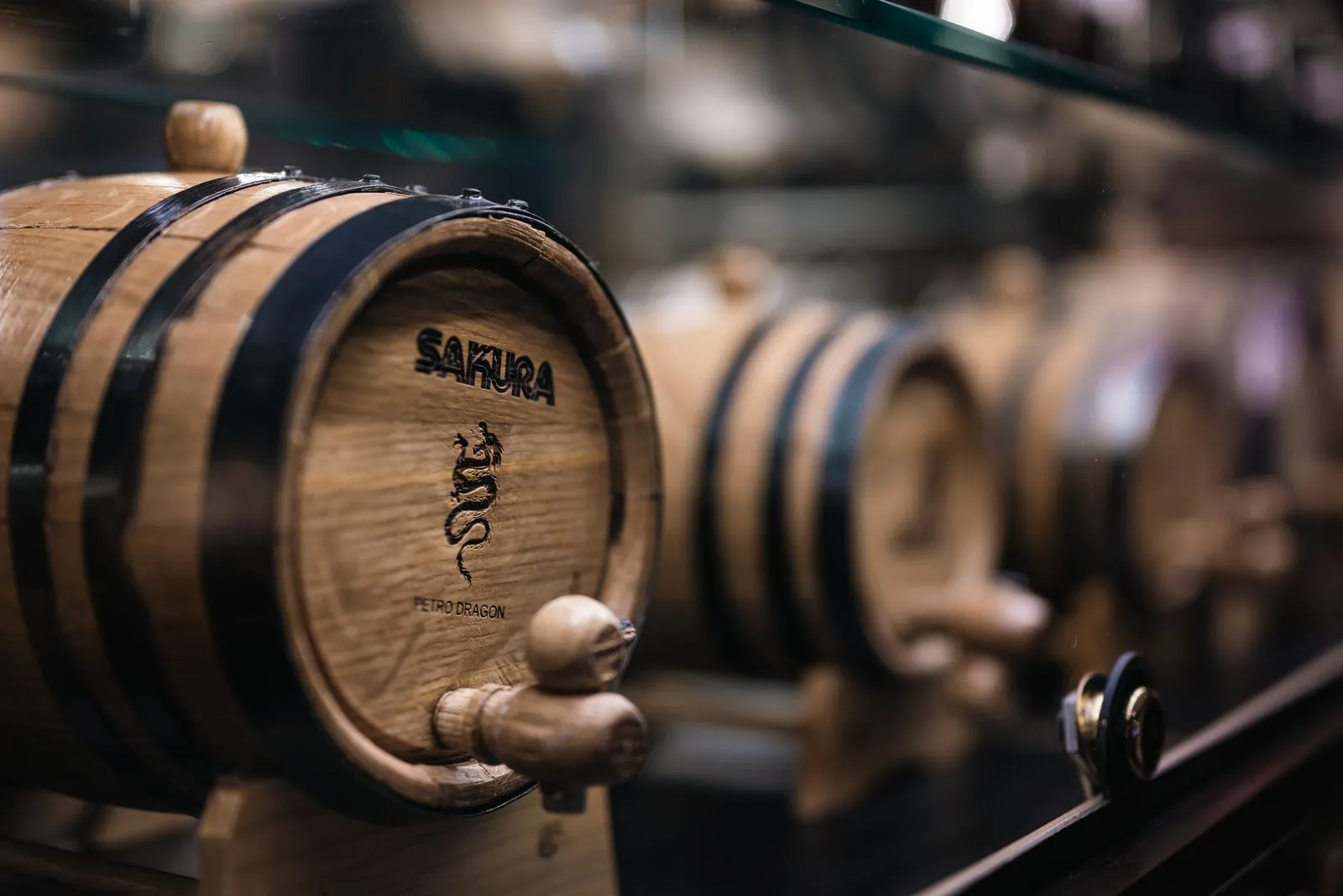
A spirit’s character begins before distillation, with the grains chosen for the mash. Each grain brings its own mix of starches, proteins, and flavor compounds, which can influence aroma, mouthfeel, and taste. The result also depends on how the grain is prepared, fermented, distilled, and aged, so no grain guarantees one fixed profile. Understanding the basics can help you notice what is in your glass and choose a spirit that suits your preferences.
Start with the grain
Barley often contributes malty, cereal-like notes and a rounded impression. Malted barley has been allowed to sprout and then dried, preparing its starches for conversion into fermentable sugars. Depending on the recipe and production choices, those sugars can support flavors that suggest toast, biscuit, or grain. Barley is common in whiskey production, but its effect varies with the proportion used and the rest of the process.
Wheat tends to be associated with a softer, smoother impression, while rye often brings a more assertive profile with peppery, herbal, or dry notes. These are useful starting points, not rules: a small amount of rye may add lift without dominating, and wheat does not automatically make a spirit gentle. The grain’s variety, condition, and handling all affect what reaches the finished drink.
Corn and other grains
Corn can contribute sweetness and a fuller, rounded taste, sometimes with impressions of grain, butter, or cooked cereal. Its role depends on the recipe and production method; it may be the main grain or one part of a blend. In a mixed-grain spirit, corn can balance grains with sharper or more savory characteristics, while fermentation and distillation shape how clearly those traits remain.
Other grains, including oats, rice, and sorghum, can broaden a distiller’s options. Oats may add a soft, weighty mouthfeel, while rice can offer a lighter, cleaner base. Sorghum can bring its own grain and earthy notes. These descriptions are sensory guides rather than guarantees, because milling, cooking, fermentation, and distillation can shift the final result.
Aroma, texture, and flavor
Grain character can show up in the aroma as cereal, bread, spice, sweetness, or earthy notes. Texture is a separate part of the experience: a spirit may feel light, oily, creamy, or drying on the palate. Grain composition plays a role, but so do alcohol strength, distillation choices, and any time spent in a barrel. A single aroma or texture rarely points to one grain with certainty.
To explore a spirit, begin by smelling it gently, then take a small sip and notice the first taste, the feel across your tongue, and the finish. If appropriate, add a little water and compare. Keep the glass and tasting conditions similar when comparing two spirits. Look for impressions rather than trying to identify a grain by one note; this makes tasting more useful and less like a guessing game.
The recipe is only a start
A grain bill—the selection and proportions of grains in a mash—sets a direction, not a finished flavor map. Grinding and cooking affect how starches become available; yeast and fermentation influence aroma; and the still determines which compounds carry through. If the spirit is aged, the barrel adds another layer. Each step can emphasize, soften, or transform qualities associated with the original grain.
When reading a label or talking with a distiller, ask which grains are used and what role each one plays. Then ask how the spirit is made and whether it is aged. Those details give you better context than grain names alone. At Top End Stillhouse in Darwin, grain-to-glass production offers a way to explore how ingredient choices connect with the finished spirit.
Grains give a spirit its starting point, influencing the aromas, flavors, and textures you may notice, while production choices complete the picture. Try comparing spirits made with different grain bills and take note of what stands out to you. For a closer look at grain-to-glass distilling, contact Top End Stillhouse.